Indoor Air Quality Solutions
Imagine stepping into your home and feeling an instant wave of freshness. The air is crisp, invigorating, and free from hidden threats that could dull your energy or spark health concerns. In today’s fast-paced world, where we spend most of our time indoors, prioritizing clean air isn’t just smart—it’s essential. Indoor air quality solutions offer powerful ways to transform your living space into a sanctuary of health and vitality. These approaches tackle everyday pollutants like dust, allergens, and chemicals, ensuring every breath you take supports your well-being.
Whether you’re in a bustling city apartment or a cozy suburban house, embracing these solutions can lead to sharper focus, better sleep, and a stronger immune system. Across the USA, more families are discovering how simple changes yield remarkable results. From advanced air purifiers to natural ventilation tricks, the path to superior air starts here. Let’s dive into how you can harness these indoor air quality solutions for a brighter, healthier home life that energizes you daily.
Have you ever wondered why some homes feel stuffy while others seem alive with energy? Indoor air quality is the invisible force shaping our daily experiences. It refers to the purity of the air inside buildings, influenced by factors like ventilation, humidity, and pollutants. Poor air can lead to fatigue, headaches, or even long-term health issues, but the good news is that indoor air quality solutions exist to turn things around.
In the USA, where diverse climates from humid Florida to dry Arizona affect homes differently, understanding this concept empowers you to take control. Start by assessing your space—check for drafts, moisture spots, or lingering odors. Simple tools like air quality monitors reveal hidden problems, guiding you toward effective fixes. Embracing indoor air quality solutions not only cleans the air but also enhances your overall lifestyle, making your home a place of renewal and strength.
What Are Common Indoor Air Pollutants?
Every home harbors unseen invaders that can compromise your comfort. Common indoor air pollutants include volatile organic compounds (VOCs) from paints and cleaners, particulate matter like dust and smoke, carbon monoxide from appliances, radon gas seeping from soil, mold thriving in damp areas, and allergens such as pet dander or pollen. These elements build up over time, especially in tightly sealed modern homes designed for energy efficiency.
In the USA, where heating and cooling systems run year-round, these pollutants often circulate without escape, leading to stuffy environments. Recognizing them is the first step toward empowerment. For instance, VOCs can cause eye irritation or nausea, while mold triggers respiratory woes. But with targeted indoor air quality solutions, you can combat these threats head-on, restoring balance and purity to your air.
Pollutants don’t just appear—they stem from everyday activities. Cooking releases fine particles and gases, while household products off-gas chemicals. Pets shed dander, and outdoor air brings in pollen through open windows. In regions like the Midwest USA, where basements are common, radon poses a silent risk, potentially leading to serious health concerns if unchecked. Biological contaminants like bacteria and viruses also linger, especially in crowded family homes. The key is awareness: test for radon, monitor humidity to prevent mold, and choose low-VOC products. By addressing sources directly, indoor air quality solutions become your shield, turning potential hazards into manageable elements. This proactive approach not only clears the air but also fosters a sense of security and vitality in your daily routine.
Why Indoor Air Quality Matters in the USA
Across the United States, varying climates and lifestyles amplify the need for clean air. From wildfire smoke in California to high humidity in the South, external factors seep indoors, mixing with household pollutants. Poor indoor air affects millions, contributing to allergies, asthma, and reduced productivity. Yet, embracing indoor air quality solutions brings transformative benefits.
Cleaner air means fewer sick days, sharper minds, and more joyful family moments. In urban areas like New York or Chicago, where pollution is higher, these solutions are game-changers. They empower homeowners to create resilient spaces against environmental challenges. By investing in better air, you’re not just reacting to problems—you’re building a foundation for long-term health and happiness in your USA home.
The USA’s diverse geography means tailored approaches work best. In arid Southwest states, dust is a big issue, while Northeast winters trap moisture indoors, breeding mold. National guidelines from the EPA highlight the importance of ventilation and filtration.
Indoor air quality solutions align with these, offering customizable fixes like region-specific air purifiers or dehumidifiers. Families in allergy-prone areas, such as the Southeast, see dramatic improvements in comfort. This isn’t about fear; it’s about empowerment—knowing you can enhance your environment boosts confidence. Ultimately, prioritizing air quality leads to vibrant living, where every breath fuels your energy and well-being.
Top Benefits of Improving Your Indoor Air
Cleaner air isn’t a luxury—it’s a powerhouse for health. Improving indoor air quality reduces respiratory issues, allergies, and fatigue, leading to fewer doctor visits and more active days. Studies show it enhances cognitive function, sharpening focus and decision-making. For families, this means kids perform better in school, and adults thrive at work.
Indoor air quality solutions also cut down on odors and irritants, creating a welcoming atmosphere. In the USA, where seasonal changes bring pollen or smoke, these benefits are amplified, promoting resilience against external threats. Overall, better air fosters emotional well-being, reducing stress and boosting mood for a more harmonious home life.
Beyond health, financial perks shine through. Energy-efficient indoor air quality solutions like proper ventilation lower utility bills by optimizing heating and cooling. They extend the life of HVAC systems by reducing strain from dust buildup. Home values rise with clean air features, appealing to health-conscious buyers in the USA market. Environmentally, fewer pollutants mean a smaller carbon footprint. Personal stories abound: one family reported deeper sleep and fewer headaches after implementing solutions. These gains compound, turning your home into an oasis of efficiency and vitality.
Essential Indoor Air Quality Solutions for Homes
Empowering your home starts with core strategies. Source control tops the list—eliminate pollutants at their root by choosing eco-friendly cleaners and sealing leaks. Ventilation brings fresh outdoor air in, diluting indoor contaminants. Air purifiers capture particles, while humidity control prevents mold. These indoor air quality solutions work together for maximum impact. In USA homes, where insulation is key for energy savings, balancing sealing with ventilation is crucial. Start small: open windows on mild days or install exhaust fans in kitchens and bathrooms. This foundation sets the stage for a healthier, more invigorating space.
Natural methods add a gentle touch. Houseplants like spider plants or peace lilies filter toxins naturally, adding beauty too. Essential oils in diffusers combat odors without chemicals. Regular cleaning with microfiber cloths traps dust effectively. For USA regions with high pollen, these solutions shine by reducing reliance on mechanical systems. Combine them with tech for best results—smart monitors alert you to issues. This holistic approach to indoor air quality solutions nurtures your home, making it a haven of purity and peace.
Best Air Purifiers for Superior Indoor Air Quality
Air purifiers are champions in the fight for clean air. HEPA filters trap 99.97% of particles, including dust and allergens. Look for models with activated carbon to neutralize odors and VOCs. In 2026, top picks like the Coway Airmega or Levoit Vital 200S excel in efficiency and quiet operation. These indoor air quality solutions cover rooms up to 1,000 square feet, ideal for USA family homes. Features like auto modes adjust to air quality, saving energy. Investing in one brings immediate freshness, empowering you to breathe deeply and live fully.
Choosing the right purifier matters. For large spaces, opt for high CADR ratings to cycle air quickly. Smart models integrate with apps for remote control. In smoky areas like the West Coast USA, units with wildfire modes are vital. Maintenance is key—replace filters regularly for peak performance. Real users rave about reduced sneezing and better sleep. These devices aren’t just gadgets; they’re essential indoor air quality solutions that enhance daily life with effortless purity.
Ventilation Systems: Fresh Air Flow Essentials
Ventilation is the heartbeat of clean indoor air. Natural methods like opening windows refresh spaces, but mechanical systems ensure consistency. Energy recovery ventilators (ERVs) exchange stale air for fresh while retaining heat, perfect for USA’s varied climates. These indoor air quality solutions prevent buildup of CO2 and pollutants, promoting alertness. In humid states, they reduce moisture, curbing mold. Install spot ventilation in high-moisture areas like bathrooms for targeted relief. This approach invigorates your home, making every room feel alive and welcoming.
Advanced systems offer more. Whole-house fans pull in cool evening air, cutting AC use. Smart vents direct airflow intelligently. For USA homes in cold regions, HRVs recover heat efficiently. Pairing with filters boosts efficacy. Users report fewer odors and improved comfort. Embracing ventilation as part of indoor air quality solutions empowers sustainable living, blending technology with nature for optimal results.
Humidity Control: Key to Balanced Air
Humidity levels dictate air comfort. Too high breeds mold; too low dries skin. Dehumidifiers extract excess moisture, while humidifiers add it in dry climates. These indoor air quality solutions maintain 30-50% humidity, ideal for health. In the USA’s humid South, dehumidifiers prevent dampness issues. Whole-home units integrate with HVAC for seamless control. Monitors track levels, alerting adjustments. This balance reduces allergens and protects furniture, creating a stable, invigorating environment.
Innovative options enhance control. Ultrasonic humidifiers disperse fine mist quietly. For large homes, central systems provide even distribution. In arid West USA, evaporative models add moisture naturally. Regular cleaning prevents bacterial growth. Families notice fewer colds and better skin health. Integrating humidity management into indoor air quality solutions fosters a resilient, comfortable home.
Natural and DIY Indoor Air Quality Solutions
Nature offers powerful allies. Plants like Boston ferns absorb VOCs, purifying air beautifully. Baking soda absorbs odors; vinegar cleans without chemicals. These DIY indoor air quality solutions are affordable and effective. In USA homes, where space varies, vertical gardens maximize benefits. Open windows during low-pollen times refreshes naturally. Beeswax candles burn cleanly, reducing soot. This eco-friendly approach empowers self-reliance, blending simplicity with impact for fresher air.
Combine with habits for amplification. Vacuum with HEPA filters weekly; use doormats to trap dirt. Essential oils like eucalyptus clear airways. For urban USA dwellers, these solutions counter pollution infiltration. Stories of transformed homes inspire—less dust, more energy. Natural indoor air quality solutions nurture well-being, making your space a natural retreat.
Smart Technology for Indoor Air Quality
Tech revolutionizes air management. Smart monitors like those from Awair track pollutants in real-time, sending alerts. Integrated purifiers auto-adjust. These indoor air quality solutions connect via apps, offering insights and control. In tech-savvy USA cities, they fit seamlessly. Voice commands with Alexa simplify operation. Data trends guide long-term improvements, empowering informed decisions for pristine air.
Future-ready features shine. AI predicts issues based on weather; multi-room systems sync for whole-home purity. Energy-efficient designs save costs. Users love the convenience—fewer worries, more peace. Embracing smart tech as indoor air quality solutions elevates living, blending innovation with health for a dynamic home.
State-by-State Guide to Indoor Air Quality in the USA
Navigating air quality varies by state, influenced by local climates and regulations. This guide highlights key aspects, empowering USA residents to apply tailored indoor air quality solutions. From California’s strict standards to Texas’s voluntary guidelines, understanding state specifics enhances your strategy. Common themes include school-focused laws and radon testing, but homes benefit too. Use this to adapt solutions like enhanced filtration in wildfire-prone areas or dehumidifiers in humid zones.
The table below details regulations, common issues, and recommended indoor air quality solutions for each U.S. state. It’s comprehensive, drawing from EPA and state resources for accuracy.
| State | Key IAQ Regulations | Common Pollutants/Issues | Recommended Indoor Air Quality Solutions |
|---|---|---|---|
| Alabama | Limited state laws; follows EPA guidelines for schools. | High humidity leading to mold; pollen. | Dehumidifiers, HEPA air purifiers, regular HVAC maintenance. |
| Alaska | Radon testing encouraged; cold weather ventilation standards. | Indoor moisture from heating; VOCs from fuels. | ERVs for fresh air without heat loss, carbon monoxide detectors. |
| Arizona | Voluntary IAQ guidelines for public buildings. | Dust and dry air; wildfire smoke. | Humidifiers, high-CADR air purifiers with smoke modes. |
| Arkansas | School IAQ programs; mold inspection rules. | Humidity and allergens. | Whole-home dehumidifiers, natural ventilation. |
| California | Strict IAQ standards via CARB; radon and VOC limits. | Wildfire smoke, urban pollution. | Advanced HEPA purifiers, smart monitors for real-time alerts. |
| Colorado | Radon testing in schools; sanitary standards. | High altitude dust; radon. | Radon mitigation systems, dust-trapping filters. |
| Connecticut | Mandatory IAQ programs in schools; HVAC maintenance laws. | Mold from humidity; allergens. | Professional HVAC inspections, mold-resistant humidifiers. |
| Delaware | Green cleaning in schools; limited home regs. | Coastal humidity; pollen. | Exhaust fans, eco-friendly cleaners. |
| Florida | Dept. of Health IAQ testing; high exposure grants. | Mold, humidity; hurricanes bringing moisture. | Dehumidifiers, storm-proof ventilation. |
| Georgia | School ventilation standards; mold remediation. | Pollen, urban VOCs. | Air purifiers with pollen filters, source control. |
| Hawaii | Dept. of Health authority for IAQ corrections. | Volcanic emissions; humidity. | VOC-absorbing plants, HEPA for particulates. |
| Idaho | Limited; follows federal for radon. | Wildfire smoke; dust. | Smoke-specific purifiers, sealing homes. |
| Illinois | Voluntary IAQ guidelines; updating in progress. | Urban pollution; mold. | Monitors, filtration upgrades. |
| Indiana | School IAQ task forces. | Allergens, industrial pollutants. | Whole-house systems, regular testing. |
| Iowa | Green cleaning programs. | Agricultural dust; humidity. | Dust filters, ventilation fans. |
| Kansas | Limited; EPA-aligned. | Pollen, dust storms. | HEPA purifiers, window screens. |
| Kentucky | Smoking bans indoors; school IAQ. | Tobacco residue, mold. | Carbon filters, dehumidifiers. |
| Louisiana | High humidity focus; mold laws. | Flooding moisture; allergens. | Sump pumps, moisture barriers. |
| Maine | Radon testing mandates. | Cold weather sealing; radon. | Radon systems, ERVs. |
| Maryland | School IAQ evaluations. | Urban air, humidity. | Smart vents, purifiers. |
| Massachusetts | Task forces for IAQ standards. | Winter trapping pollutants. | HVAC upgrades, monitors. |
| Michigan | Mold inspection; school programs. | Lake effect humidity. | Dehumidifiers, filters. |
| Minnesota | Ventilation codes; radon. | Cold, dry air. | Humidifiers, radon tests. |
| Mississippi | Limited; humidity focus. | Mold, pollen. | Dehumidifiers, plants. |
| Missouri | School green cleaning. | Allergens, urban smoke. | Purifiers, ventilation. |
| Montana | Wildfire response guidelines. | Smoke, dust. | High-efficiency filters. |
| Nebraska | Limited; agricultural dust. | Dust, pollen. | HEPA, screens. |
| Nevada | Dry air standards. | Dust, smoke. | Humidifiers, purifiers. |
| New Hampshire | Radon laws. | Radon, mold. | Mitigation, dehumidifiers. |
| New Jersey | School IAQ commissions. | Urban pollutants. | Monitors, filters. |
| New Mexico | Dry climate focus. | Dust, wildfires. | Purifiers, sealing. |
| New York | School standards; urban air. | Pollution, allergens. | Smart systems, plants. |
| North Carolina | Humidity and mold laws. | Pollen, humidity. | Dehumidifiers, purifiers. |
| North Dakota | Cold weather ventilation. | Dry air, dust. | Humidifiers, filters. |
| Ohio | School evaluations. | Industrial VOCs. | Carbon filters, ventilation. |
| Oklahoma | Smoking restrictions; dust. | Dust, pollen. | HEPA, screens. |
| Oregon | School IAQ programs. | Wildfires, humidity. | Smoke purifiers, ERVs. |
| Pennsylvania | Radon testing. | Urban air, mold. | Radon systems, dehumidifiers. |
| Rhode Island | School inspections. | Coastal moisture. | Exhaust fans, monitors. |
| South Carolina | Humidity focus. | Mold, allergens. | Dehumidifiers, plants. |
| South Dakota | Limited; dust. | Dust, dry air. | Humidifiers, filters. |
| Tennessee | School green programs. | Pollen, humidity. | Purifiers, ventilation. |
| Texas | Voluntary guidelines for buildings. | Dust, urban pollution. | Whole-house systems, monitors. |
| Utah | Dry air and dust. | Inversion pollution. | Humidifiers, HEPA. |
| Vermont | Radon and mold. | Cold trapping. | ERVs, dehumidifiers. |
| Virginia | School IAQ standards. | Allergens, humidity. | Purifiers, filters. |
| Washington | School IAQ focus. | Wildfires, humidity. | Smoke modes, ventilation. |
| West Virginia | Mining dust; mold. | Dust, moisture. | Filters, dehumidifiers. |
| Wisconsin | School programs. | Pollen, cold air. | Humidifiers, purifiers. |
| Wyoming | Dry, dusty. | Dust, wildfires. | HEPA, sealing. |
This table equips you with state-specific insights, making indoor air quality solutions more effective and personalized.
Maintenance Tips for Lasting Indoor Air Quality
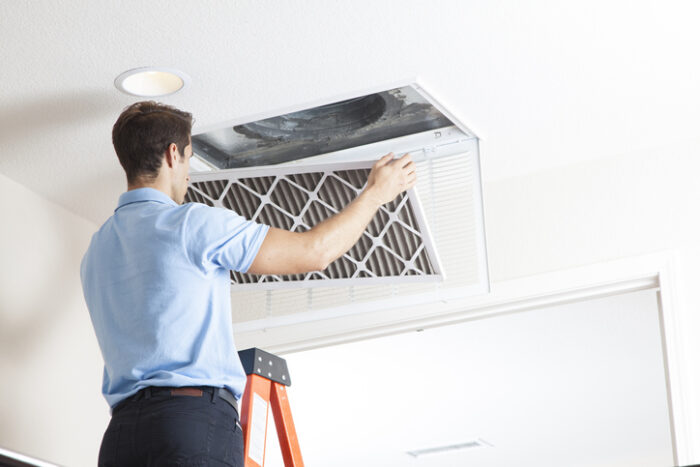
Consistency keeps air pristine. Change HVAC filters every 3 months; clean vents annually. These habits sustain indoor air quality solutions. In USA homes with pets, vacuum daily to curb dander. Test for radon biennially, especially in high-risk areas. Professional cleanings every few years refresh systems. This routine prevents issues, ensuring vibrant air year-round.
Empower yourself with schedules. Use apps to remind filter changes; inspect for leaks seasonally. In humid USA regions, drain pans prevent mold. Dry climates benefit from plant care for natural humidity. Users find these tips transform maintenance into empowerment, yielding enduring freshness.
When to Call Professionals for Air Quality Help
Some challenges need expert touch. Persistent odors or health symptoms signal pro intervention. Certified testers assess pollutants accurately. These indoor air quality solutions include thorough cleanings and system upgrades. In the USA, services like those from Green Home Solutions offer mold remediation. Pros bring tools for deep fixes, ensuring safety.
Benefits abound. Experts identify hidden issues like duct leaks. Post-service, air feels renewed. For USA families in older homes, annual checks prevent escalations. Trusting pros empowers peace of mind, complementing DIY efforts for optimal results.
Future Trends in Indoor Air Quality Solutions
Innovation promises brighter air. AI-driven purifiers predict needs; bio-based filters emerge. These indoor air quality solutions integrate sustainability. In the USA, solar-powered units gain traction. Wearable monitors personalize data. Trends focus on health tech, making clean air accessible and exciting.
Adopt early for advantages. Smart homes with IAQ hubs centralize control. Eco-materials reduce off-gassing. Visionaries see homes as health fortresses. Embracing trends positions you ahead, fostering a future of effortless purity.
FAQs
What are the most effective indoor air quality solutions for allergies?
HEPA air purifiers and regular cleaning top the list. They capture allergens like pollen and dander effectively. Combine with humidity control to prevent mold, a common trigger. These indoor air quality solutions create a barrier against irritants, promoting easier breathing.
How do indoor air quality solutions impact energy bills?
Efficient ventilation and filters reduce HVAC strain, lowering costs. Smart systems optimize usage, saving more. In the USA, these solutions balance comfort with savings, making them a wise investment.
Can plants alone serve as indoor air quality solutions?
Plants help filter toxins but aren’t standalone. Pair them with purifiers for best results. They add humidity and beauty, enhancing overall indoor air quality solutions.
What role do HVAC systems play in indoor air quality solutions?
They circulate and filter air. Regular maintenance ensures purity. Upgrades like UV lights kill microbes, boosting these solutions’ power.
Are there affordable indoor air quality solutions for small apartments?
Yes, portable purifiers and DIY ventilation work wonders. Open windows strategically; use affordable monitors. These keep air fresh without breaking the bank.
How often should I test for radon as part of indoor air quality solutions?
Every two years, per EPA. In high-risk USA areas, more frequent. Mitigation systems then become key solutions for safety.
Embrace these indoor air quality solutions today for a transformative tomorrow. Start with one change—like adding a purifier or testing humidity—and feel the difference. Share your experiences or questions below; let’s build healthier USA homes together. Your journey to vibrant, clean air begins now—breathe it in!
Stay in touch to get more updates & alerts on Webfrimz! Thank you
About the Author
