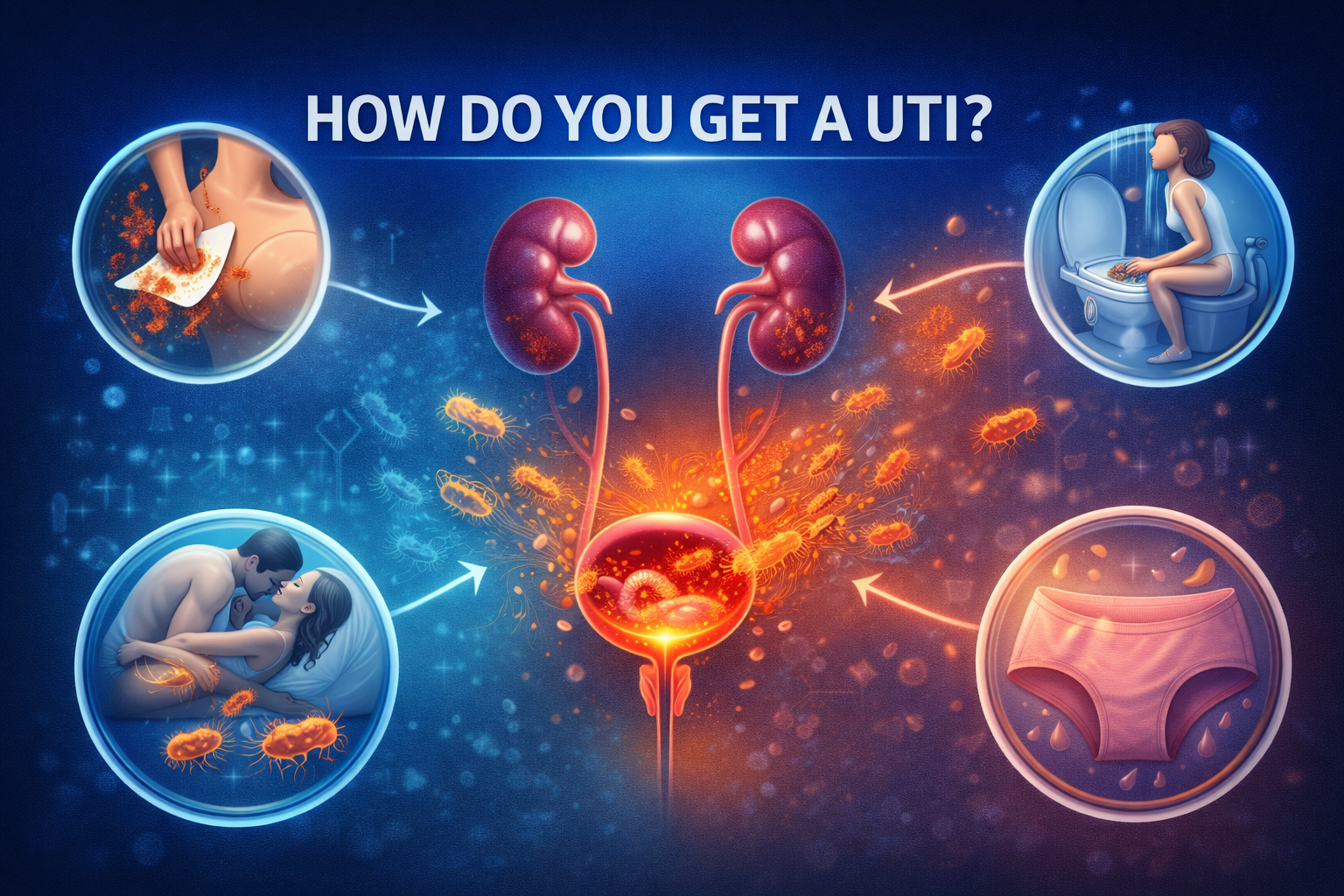
how do you get a uti
How Do You Get a UTI? Powerful Guide to Causes, Prevention, and Staying Healthy
Have you ever felt that sharp burn when you pee? Or the constant urge to go, even when nothing comes out? These could be signs of a urinary tract infection, or UTI for short. Many people wonder, how do you get a UTI? It’s a common question because UTIs affect millions every year. In fact, in the United States alone, doctors see about 8 to 10 million cases annually. Women face this more often due to their body structure, but anyone can get one. Understanding how you get a UTI starts with knowing your urinary system. It includes your kidneys, bladder, and the tube that lets urine out, called the urethra. Bacteria love to sneak in there and cause trouble. But don’t worry. This guide will walk you through everything in simple steps. You’ll learn causes, risks, and ways to fight back. By the end, you’ll feel ready to protect yourself. Let’s dive in and empower you with knowledge that keeps you strong and healthy. Remember, staying informed is your first line of defense.
What Is a UTI?
A UTI stands for urinary tract infection. It’s when germs invade parts of your body that handle urine. This system keeps your body clean by filtering waste. But when bacteria get in, they multiply fast. Most UTIs hit the bladder or urethra. Sometimes, they reach the kidneys, which is more serious. How do you get a UTI? It often starts with bacteria from your skin or gut entering the urethra. E. coli is the main culprit, causing over 90% of cases. Your body tries to flush them out, but sometimes it fails. This leads to swelling and pain. UTIs are super common. About half of all women will have one in their lifetime. Men get them too, though less often. Kids can also be affected, but only 1 to 2% do. In the US, these infections send people to doctors millions of times a year. They can make daily life tough with discomfort. But the good news? Most are easy to treat. Knowing what a UTI is helps you spot it early. That way, you can act fast and feel better soon. Think of it as your body’s alarm bell. Listen to it, and you’ll stay ahead.
How Do You Get a UTI?
So, how do you get a UTI? It’s usually from bacteria sneaking into your urinary tract. The urethra is the entry point. Bacteria like E. coli live in your intestines. They can move from the rectum to the urethra. This happens more in women because their urethra is shorter and closer to the anus. Wiping from back to front after using the bathroom can spread germs. Sexual activity pushes bacteria in too. That’s why some call it “honeymoon cystitis.” Holding urine for too long lets bacteria grow. Catheters or medical devices can introduce germs. Even bubble baths or tight clothes might irritate and help bacteria stick. In men, an enlarged prostate blocks flow, trapping bacteria. Pregnancy changes hormones and presses on the bladder, raising risks. Diabetes weakens your immune system, making infections easier. Kidney stones block paths and harbor germs. How do you get a UTI from food? Not directly, but poor hygiene spreads bacteria. In America, lifestyle factors like dehydration play a role. Many people don’t drink enough water. This reduces flushing. Understanding these paths empowers you. Simple habits can block them. Stay vigilant, and you’ll lower your chances greatly.
Common Causes of UTIs
The top cause of UTIs is bacteria entering the urethra. E. coli from the gut is responsible for most. It travels short distances in women. Sexual intercourse introduces bacteria. New partners or frequent activity ups the risk. Spermicides and diaphragms disrupt natural barriers. Not urinating after sex lets germs linger. Poor hygiene, like improper wiping, spreads bacteria. Dehydration means less urine to wash away threats. Bubble baths or scented products irritate the area. Tight underwear traps moisture, breeding grounds for germs. In older adults, weakened muscles don’t empty the bladder fully. Medical conditions like diabetes impair fighting infections. Kidney stones create hiding spots for bacteria. Catheters in hospitals often lead to UTIs. Hormonal changes in menopause thin tissues, making entry easier. Even constipation presses on the bladder. How do you get a UTI from these? They all allow bacteria to thrive. In America, busy lifestyles contribute. People skip water or hold pee during work. But awareness changes that. Spot these causes, and you can avoid them. Small tweaks make a big difference. Your body thanks you with comfort and health.
Risk Factors That Increase Your Chances
Certain things make you more likely to wonder, how do you get a UTI. Being female is a big one. Shorter urethras mean easier access for bacteria. Age matters too. Postmenopausal women have less estrogen, thinning protective layers. Pregnancy shifts organs and slows urine flow. Men with prostate issues face blockages. Diabetes raises blood sugar, feeding bacteria. Weak immune systems from illness or meds invite infections. Frequent sex, especially with new partners, boosts exposure. Using birth control like spermicides kills good bacteria. Catheter use in medical settings is a direct path. Family history plays a role; some inherit vulnerable genes. Obesity adds pressure and moisture. Dehydration is common in hot US climates. Holding urine during long drives or jobs increases stagnation. Kidney stones or urinary surgeries scar tissues. Even vitamin deficiencies weaken defenses. How do you get a UTI with these risks? They compound each other. But you can fight back. Drink water, practice safe sex, manage health conditions. I’ve seen friends turn things around with these steps. It builds confidence. Know your risks, and take powerful action to stay protected.
Signs and Symptoms to Watch For
UTIs don’t hide well. They shout with clear signs. Burning when you pee is the classic one. It feels like fire down there. You might need to go often, even at night. But only drops come out. Lower belly pain or cramps signal bladder trouble. Urine looks cloudy or smells strong. Sometimes it’s pink from blood. Back pain means kidneys might be involved. Fever and chills join in severe cases. Fatigue hits hard too. In older folks, confusion appears instead of pain. Kids might wet the bed or cry during pee. Men feel fullness in the rectum. How do you get a UTI and spot it early? Listen to your body. These symptoms start mild but grow. Ignoring them leads to worse issues. In the US, many wait too long, ending up in ERs. But catching them quick means fast relief. Track changes in your habits. A friend once ignored the burn and regretted it. Don’t be like that. Stay alert. These signs are your body’s way of asking for help. Respond with care, and you’ll bounce back strong.
When Should You See a Doctor?
Don’t wait if symptoms scream UTI. See a doctor if burning pee lasts over a day. Frequent urges with little output need checking. Blood in urine is a red flag. Fever above 101 means possible kidney spread. Back or side pain urges quick action. If you’re pregnant, go right away. Diabetics or those with weak immunity shouldn’t delay. Recurrent infections deserve expert eyes. How do you get a UTI and know it’s serious? When home fixes fail after 48 hours. In the US, untreated UTIs lead to 100,000 hospital stays yearly. Kids with fever or vomiting need immediate care. Older adults showing confusion require tests. Men rarely get UTIs, so any symptom warrants a visit. Delaying can scar kidneys or cause sepsis. I’ve advised family to go early, and it saved hassle. Doctors use simple urine tests. They prescribe safe meds. Peace of mind comes from professional help. Empower yourself by acting fast. Your health is worth it. Better safe than sorry keeps you thriving.
How Are UTIs Diagnosed?
Diagnosis starts with your story. Tell the doctor your symptoms. They ask about pain, frequency, and history. A physical exam checks for tenderness. The key is a urine test. You pee in a cup. They check for white blood cells, bacteria, or blood. A dipstick gives quick clues. Lab culture grows germs to identify them. This takes a day or two. For complex cases, imaging like ultrasound views the tract. Cystoscopy peeks inside the bladder. How do you get a UTI confirmed? Through these steps. In US clinics, it’s routine and fast. Pregnant women get screened often. Recurrent ones might need more tests. Accuracy matters for right treatment. Wrong guesses lead to resistance. I’ve seen quick diagnoses turn days around. Trust the process. It’s simple and effective. Stay honest with details. This helps tailor care. Knowledge from tests empowers healing. You’re in good hands with modern tools.
Effective Treatments for UTIs
Antibiotics are the go-to for UTIs. Doctors pick based on bacteria type. Common ones like nitrofurantoin target the bladder. Trimethoprim fights E. coli well. Courses last 3 to 7 days. Finish them all to kill germs fully. Pain relievers ease burning. Phenazopyridine turns urine orange but soothes. Drink lots of water to flush. For kidney infections, IV meds in hospital. Recurrent cases use low-dose prevention. How do you get a UTI treated safely? Follow doc orders. In the US, guidelines ensure best choices. Avoid self-meds; they mask issues. Probiotics restore good bacteria. Rest helps your body fight. A neighbor cleared hers with prompt care. It works. Side effects like nausea happen, but benefits outweigh. Monitor progress. If no better in 2 days, call back. Empowerment comes from completing treatment. Stay strong and recover fully.
Powerful Prevention Tips
Prevention beats cure every time. Drink 6 to 8 glasses of water daily. It dilutes urine and flushes bacteria. Urinate every 3 to 4 hours. Don’t hold it. Wipe front to back after bathroom use. This stops germ spread. Pee after sex to clear bacteria. Choose cotton underwear for breathability. Avoid tight pants that trap heat. Skip douches and sprays; they upset balance. Cranberry products block bacteria sticking. Vitamin C acidifies urine. Shower instead of baths. For women, avoid spermicides. Manage diabetes well. How do you get a UTI less often? With these habits. US studies show they cut risks by half. A friend swore by cranberry juice. It helped her. Build routines that last. Teach kids early. Prevention empowers daily life. Feel confident and free from worry.
UTI Prevention Strategies Table
| Prevention Tip | Why It Works | How to Implement | Benefits |
|---|---|---|---|
| Drink plenty of water | Flushes bacteria out of the urinary tract | Aim for 50-60 oz daily, more in heat | Reduces infection risk by 50%, improves overall hydration |
| Urinate frequently | Prevents bacteria from multiplying in stagnant urine | Go every 3-4 hours, don’t hold for long | Lowers bladder pressure, eases symptoms if early |
| Wipe front to back | Stops bacteria from anus reaching urethra | Always start from front after toilet use | Cuts cross-contamination, especially for women |
| Pee after sexual activity | Clears any introduced bacteria | Urinate within 15 minutes post-sex | Reduces post-coital UTIs by up to 80% |
| Wear cotton underwear | Allows air flow, reduces moisture | Choose breathable fabrics, change daily | Prevents yeast growth, comforts sensitive areas |
| Avoid irritants like douches | Maintains natural pH and good bacteria | Skip scented products, use mild soap | Preserves protective flora, avoids irritation |
| Consume cranberry products | Compounds prevent bacteria adhesion to bladder walls | Drink juice or take supplements daily | Supported by studies, natural and tasty option |
| Take vitamin C supplements | Acidifies urine, making it hostile to bacteria | 500-1000 mg daily, with food | Boosts immunity, simple addition to routine |
| Practice good hygiene | Reduces overall germ exposure | Shower daily, keep genital area clean | Builds long-term health habits, empowers self-care |
| Manage chronic conditions | Controls factors like high blood sugar | Follow doctor advice for diabetes, etc. | Lowers complication risks, holistic health gain |
Home Remedies That Can Help
Home remedies support treatment. Warm baths soothe pain. Use plain water, no bubbles. Heating pads on the belly ease cramps. Herbal teas like chamomile calm. Avoid caffeine; it irritates. Probiotic yogurt restores gut balance. Garlic has antibacterial power. Eat it raw or cooked. Baking soda in water might alkalize, but check with doc. Apple cider vinegar fights germs. Mix a spoon in water. Rest plenty to boost immunity. How do you get a UTI relief at home? These ways. US folks often try cranberry first. It works for many. My aunt used heat packs successfully. Combine with meds for best results. Don’t rely solely on remedies if severe. They complement, not replace. Feel empowered trying natural aids. Listen to your body. Adjust as needed. Healing comes faster with care.
UTIs in Special Groups: Women, Men, Kids
Women get UTIs most. Shorter urethras blame. Hormones fluctuate risks. Menopause thins tissues. Pregnancy presses bladder. Men get fewer, but prostate issues cause them. Blockages trap urine. Kids face them from poor wiping or bubbles. Constipation in tots adds pressure. Elderly confuse UTIs with other ills. How do you get a UTI in these groups? Same bacteria, different doors. In US, women see 60% lifetime risk. Teach girls hygiene early. Men check prostate health. Pregnant ones drink extra. Kids need fun reminders. A mom’s story: Her child cleared with simple changes. Tailor approaches. Awareness helps all. Stay proactive for every age.
Dealing with Recurrent UTIs
Recurrent UTIs frustrate. That’s two or more in six months. Identify triggers. Keep a journal. See specialists like urologists. Low-dose antibiotics prevent. Estrogen creams for postmenopausal. D-mannose supplements block bacteria. Vaccinations in trials show promise. Lifestyle tweaks matter most. How do you get a UTI again? Unresolved issues or habits. US data says 27% recur. A colleague beat hers with tracking. Persistence pays. Build resilience. You’re not alone. Solutions exist. Thrive beyond them.
FAQs
What is the main way how you get a UTI?
Bacteria enter the urethra from the skin or rectum. They multiply in the bladder.
Can men get UTIs, and how do you get a UTI as a man?
Yes, though rare. Enlarged prostate or catheters cause them. Bacteria enter similarly.
How do you get a UTI from sex?
Activity pushes bacteria into the urethra. Urinating after helps prevent it.
Are there foods that help prevent how you get a UTI?
Cranberries and probiotics may block bacteria. Drink water to flush.
How long does a UTI last without treatment?
It can spread to kidneys. See a doctor; don’t wait.
Can kids get UTIs, and how do you get a UTI in children?
Yes, from poor hygiene or holding pee. Symptoms include bedwetting.
Wrapping up, understanding how you get a UTI arms you with power. From bacteria sneaking in to risks like dehydration, knowledge is key. You’ve learned causes, symptoms, and strong prevention. Simple acts like drinking water and good hygiene make huge differences. In the US, millions conquer UTIs yearly with prompt care. Don’t let fear hold you. Act early, see doctors when needed. Share this with friends; it might help someone. Take charge today. Your health journey starts now. Stay hydrated, stay aware, stay healthy. You’ve got this!
About the Author
